



Fang Ding from the Late Shang Dynasty
This Fangding (food container) from the late Shang Dynasty in the 11th century BC is now in the collection of the Minneapolis Museum of Art in the United States. This square tripod, also known as the 'square tripod', showcases an interesting development in tripod design. Although it is still a square box shaped container standing on four columnar legs, the decoration shows a tendency towards abstraction, which may have been influenced by contemporary textile design.

Lucky Beast (Foot End) Bronze Incense Burner
This cultural relic is one of a pair of lion incense burners, produced in the 17th century. Now collected at the Minneapolis Museum of Art in the United States. These lions look like guardian lions, known as auspicious beasts (Lu Duan), each with a unicorn. They are mythical animals endowed with the ability to distinguish between good and evil. These legendary animals appear in pairs and are used to stand on both sides of the imperial throne in the Forbidden City, symbolizing the dignity, virtues, and wisdom of the royal family. The size of this pair of incense burners is 57.2 x 33 x 61 centimeters, made of bronze and decorated with splashed gold.

Cloisonne
Cloisonn é, one of the famous special metal crafts in China, reached its peak in production during the Jingtai period of the Ming Dynasty, producing the most exquisite and famous crafts. Therefore, later generations referred to this metal artifact as "Cloisonn é". Cloisonn é, officially known as "Copper Cloisonn é Enamel" or "Enamel Cloisonn é", is a type of utensil made of soft flat copper wire that is cut into various patterns and welded onto a copper mold. The enamel is then filled into the patterns and fired. Due to its popularity during the Jingtai period of the Ming Dynasty and mature production techniques, the enamel glaze used was mostly blue, hence the name "Jingtai Blue".

During the Qing Dynasty, Kangxi's Five Colored Tiangong created the "Silkworm friendly" Tianqiu Bottle
The shape of the Tianqiu bottle is small mouth, straight neck, ample shoulder, false ring foot, and slightly concave sand bottom. Because the belly of the round ball is huge, as if descending from the sky, it is named

Ceramic rooster, produced in ancient Chinese Tongguan kiln
Tongguan Kiln is one of the five famous kilns in ancient China, located in Tongguan Street, Wangcheng District, Changsha, Hunan Province. Due to its unique porcelain painting skills, it opened up a new era in the history of ceramics and became an important pivot on the "Maritime Ceramic Road" of the Tang Dynasty. During its peak, its products were exported to 29 countries and regions. This ceramic is currently collected at the Changsha Tongguan Kiln Ceramic Research Institute.

Bronze incense burners during the Qianlong period
This incense burner was commissioned by Emperor Qianlong and bears the words' Made in the Qianlong Year of the Qing Dynasty ', possibly originating from a magnificent royal temple. Approximately 14 centimeters in height and 26.7 centimeters in diameter. This incense burner is a cultural relic from the Qianlong period of the Qing Dynasty (1736-95). Now it is collected in the British Museum.

Popular Models
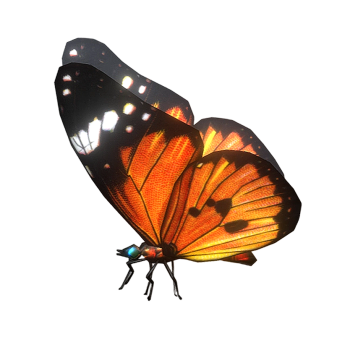
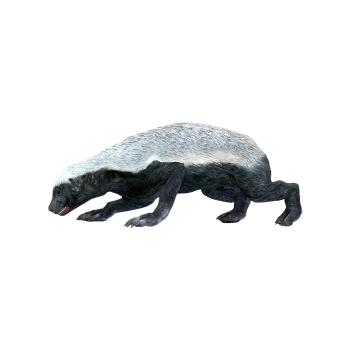
Honey Badger (3D animated model)
192 View
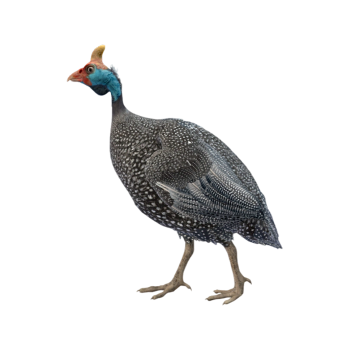
Guinea fowl (3D animated model)
163 View
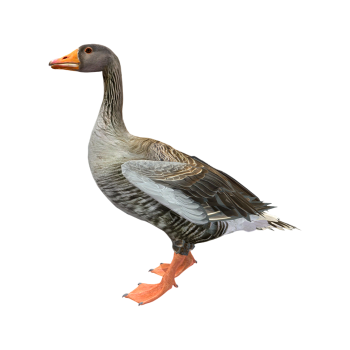
Wild Goose (3D animated model)
185 View

Red Fox (3D animated model)
153 View
Random Model
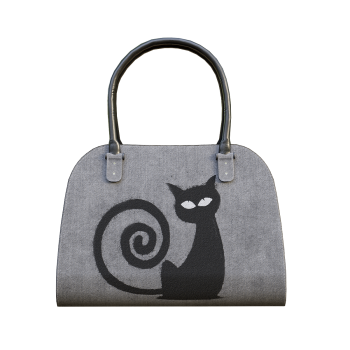
Women's Black Cat Canvas Tote
784 View
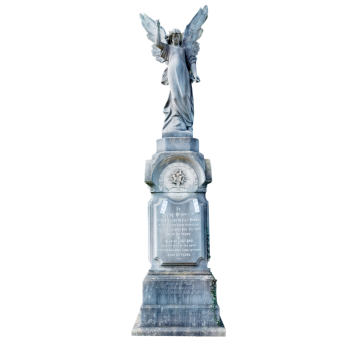
Arnos Valley Cemetery-Angel Statue
284 View

Women's Yoga Fitness Clothes
778 View

80's semi-trailer truck
720 View

CDPeugeotSP66 racing car 1967 model
1042 View

Mount Ruapehu, New Zealand
911 View

Spotted Tortoise
617 View

industrial dustbin
455 View

Map display stand
407 View